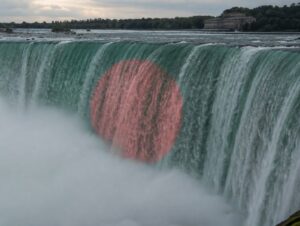
Water always seeks the shortest and steepest route. Obvious, right? It’s why rivers meander, rain runs down gutters and spilled beer rolls off uneven tables.
Take the massive Mississippi River. It serves as a critical waterway and ecological corridor that drives a $400 billion industry by carrying 60% of U.S. grain exports and supplying water to millions.
What happens if it suddenly changes course? For starters, it’d leave New Orleans and Baton Rouge, Louisiana, dry, and decimate the oil refining industry. Can’t happen, right? Yet it has every thousand years or so and is long overdue.
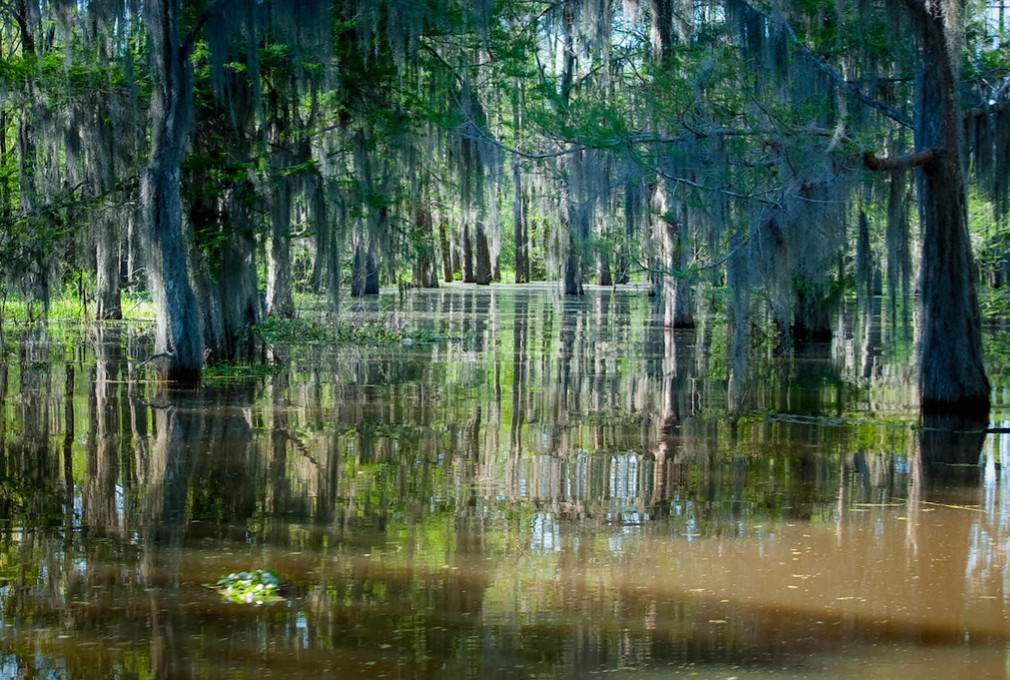
In 1989’s “Atchafalaya,” from his best-selling “The Control of Nature,” John McPhee detailed how the Atchafalaya River tries to capture and divert the nearby Mississippi, and how the Corps of Engineers built floodgates called the Old River Control Structure in central Louisiana to prevent it.
Completed in 1963, Old River Control allows 30% of the Mississippi to follow the Atchafalaya’s shorter and steeper route to the Gulf of Mexico. During 1973’s floods, Old River Control almost failed.
“Short ’n’ steep” inevitably wins with water.
More Tales From Louisiana
A Little Corner of Heaven in Hell
A Job for the Brave, Crazy or Dumb?